Easy Baby Blankets
9 Beginner Baby Blanket Mistakes and How to Fix Them
Nine common problems in a first crochet baby blanket, each with the sign to look for, the cause, the fix and a plain answer on whether to rip back.
Crochet baby blankets, step by step
Beginner-friendly patterns and guides for crocheting baby blankets: clear stitch counts, sizes, yarn and hook choices, borders, and finishing.
New to crochet blankets? Read these four in order.
Follow the whole process of crocheting a baby blanket in order, from choosing a size and yarn to the gauge swatch, rows, border and blocking, with a compact first-blanket recipe.
Compare acrylic, cotton, blends, superwash wool and bamboo-viscose yarn, learn the three yarn weights most blanket patterns use, and read a yarn label for care, yardage and dye lot before you buy.
A chart of commonly used baby blanket sizes in inches and centimeters, with a way to choose a size by purpose and resize any crochet pattern using your own gauge.
Work out your own starting chain for any blanket width: measure a swatch, multiply by the width, fit the stitch multiple and add the turning chains, with checked examples and an estimate table.
Nine common problems in a first crochet baby blanket, each with the sign to look for, the cause, the fix and a plain answer on whether to rip back.
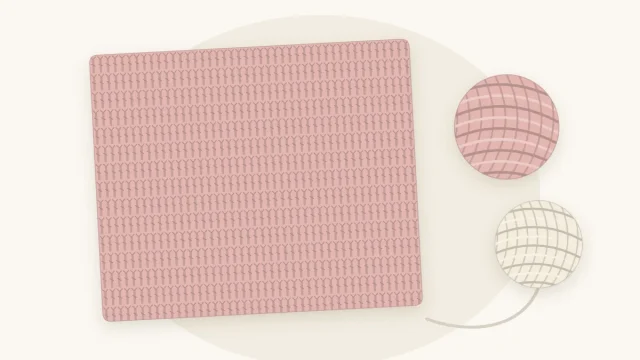
A plain double crochet blanket pattern for beginners that explains the stitch, the chain-3 turning chain and exactly where the first and last stitch of every row belong.
A one-stitch blanket pattern in half double crochet with the stitch explained step by step, a clear turning-chain rule, chain count arithmetic and a target length to work toward.
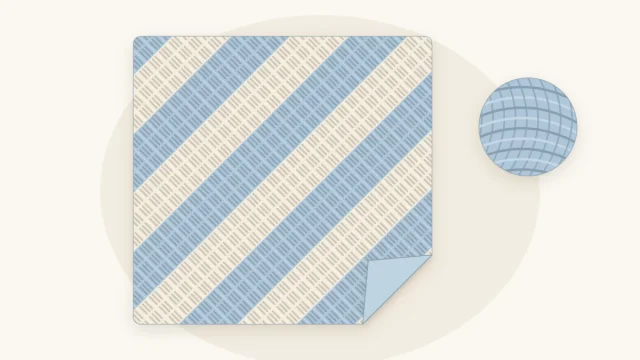
A full corner-to-corner pattern in double crochet blocks: exact increase and decrease rows, a block count you can check, a rectangle option, and how to stop at any size.
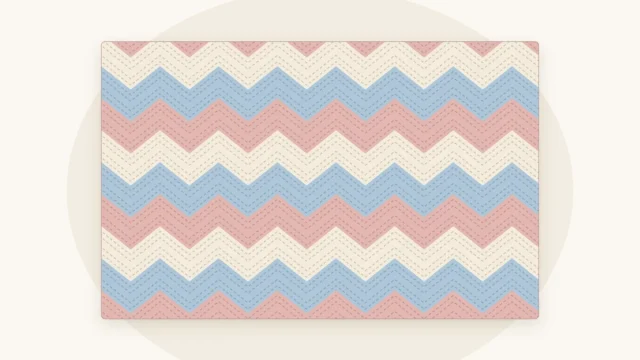
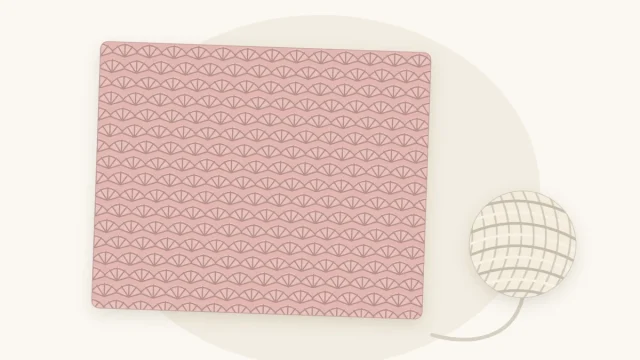
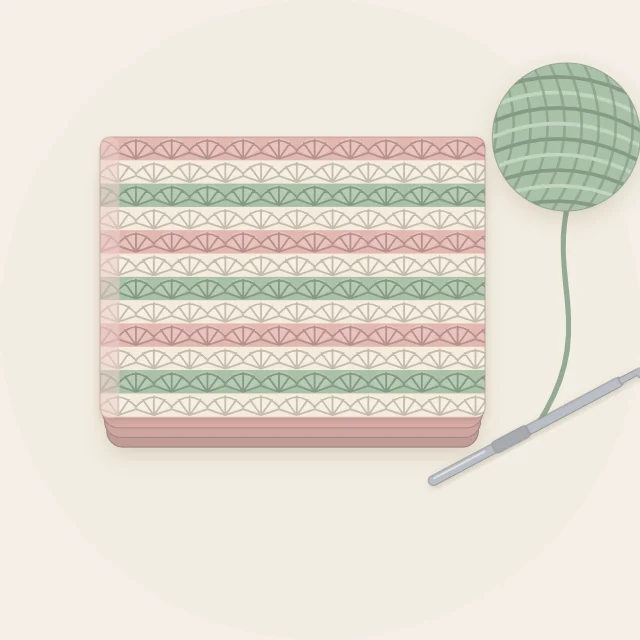
A classic double crochet ripple in three colors, with a 12-stitch repeat, a clear dc3tog definition, and a stitch-by-stitch check showing why every row keeps the same count.
A full lemon peel stitch pattern that alternates single and double crochet for a pebbly, reversible fabric, with gauge, chain arithmetic and a stitch-by-stitch check of the row logic.
How each stitch is worked and the fabric it makes, including granny clusters.
Granny clusters worked in straight rows, with a checked chain multiple, cluster counts for each row, a four-color stripe plan and a practical way to handle the many yarn ends.
Crochet one large granny square in rounds until it reaches blanket size. Exact first rounds, a rule for every later round, and how to stop the square from twisting.
Step-by-step instructions for four ways to join granny squares, sewn and crocheted, with a comparison table and advice on preparation, joining order and keeping seams flat.
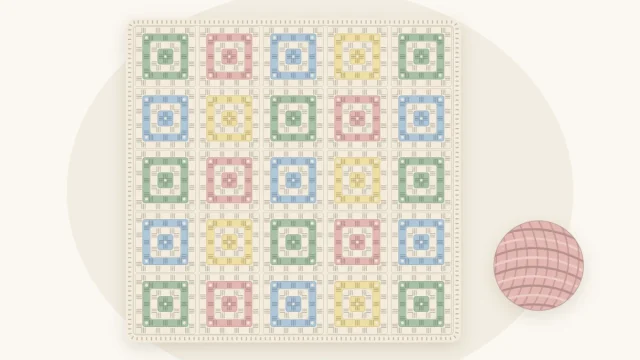
A traditional four-round granny square with cluster counts for every round, plus a 30-square layout and color plan for a baby blanket of about 30 x 36 in.
A step-by-step lesson in the front post double crochet and the two-row waffle stitch, followed by a 30 x 34 in baby blanket pattern with the stitch counts checked for every row.
Learn the basic five-double-crochet shell and work it into a 30 x 35 in baby blanket, with a checked two-row repeat, half shells at the edges and the chain math written out.
Dimensions, chain counts, yarn, gauge and finishing.
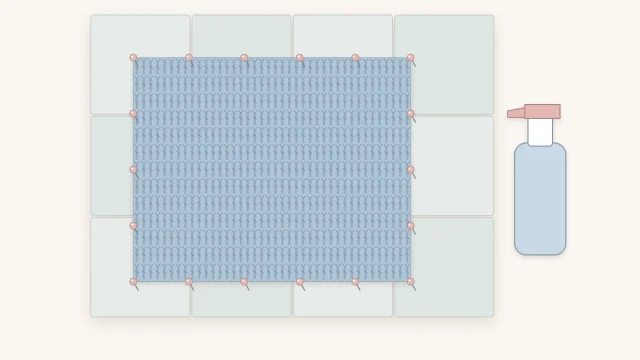
Compare wet, spray and steam blocking, match the method to the yarn label, and follow a step-by-step routine for pinning a crochet blanket square and letting it dry to size.
Fasten off, leave a 6 in tail, and weave each end through the back of the stitches in three directions so it locks. Includes open stitches, color matching and final checks.
Change yarn color on the last yarn over for crisp stripes in single, half double and double crochet, then decide when to carry yarn up the side, when to cut it, and how to manage tails.
Estimate the yarn for any crochet baby blanket from a swatch, with a fully worked example, a table of rough ranges by size and yarn weight, and notes on labels and dye lots.
Learn what crochet gauge is, how to make and measure a swatch before and after washing, how to correct gauge with hook size, and the simple formula that turns gauge into a chain count.
Work out your own starting chain for any blanket width: measure a swatch, multiply by the width, fit the stitch multiple and add the turning chains, with checked examples and an estimate table.
Learn reverse single crochet, known as crab stitch, step by step: which direction to work, how to handle corners and how to fix tight, flat or uneven stitches on a blanket edge.
A flat scalloped edging of five-stitch shells over single crochet, with a clear way to make each side a multiple of 6, corner shells, a checked example and a smaller three-stitch version.
A flat single crochet border in two or three rounds, with stitch ratios for the row-end sides, corners that lie flat, checked stitch counts and fixes for ruffling and cupping.
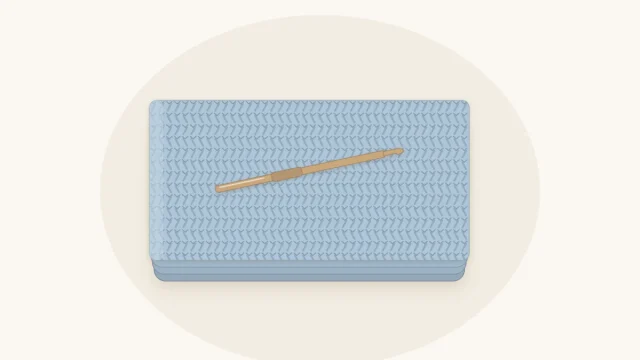
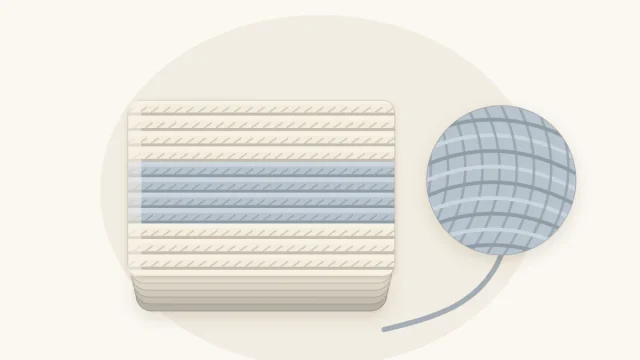
A thick, ribbed baby blanket pattern in bulky yarn using back-loop half double crochet, with a gauge target, the chain arithmetic written out and one repeating row of 75 stitches.
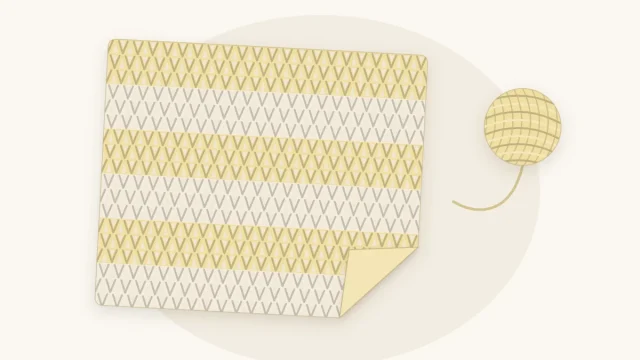
A full V-stitch pattern for a thin, open baby blanket in DK cotton, with the gauge target, the chain arithmetic and a one-row repeat that keeps the same count on every row.
Learn reverse single crochet, known as crab stitch, step by step: which direction to work, how to handle corners and how to fix tight, flat or uneven stitches on a blanket edge.
A flat scalloped edging of five-stitch shells over single crochet, with a clear way to make each side a multiple of 6, corner shells, a checked example and a smaller three-stitch version.
A flat single crochet border in two or three rounds, with stitch ratios for the row-end sides, corners that lie flat, checked stitch counts and fixes for ruffling and cupping.
Compare wet, spray and steam blocking, match the method to the yarn label, and follow a step-by-step routine for pinning a crochet blanket square and letting it dry to size.
Start with a one-stitch blanket, learn to count your rows, and move on at your own pace. Every tutorial on the site is free to read, no sign-up needed.